


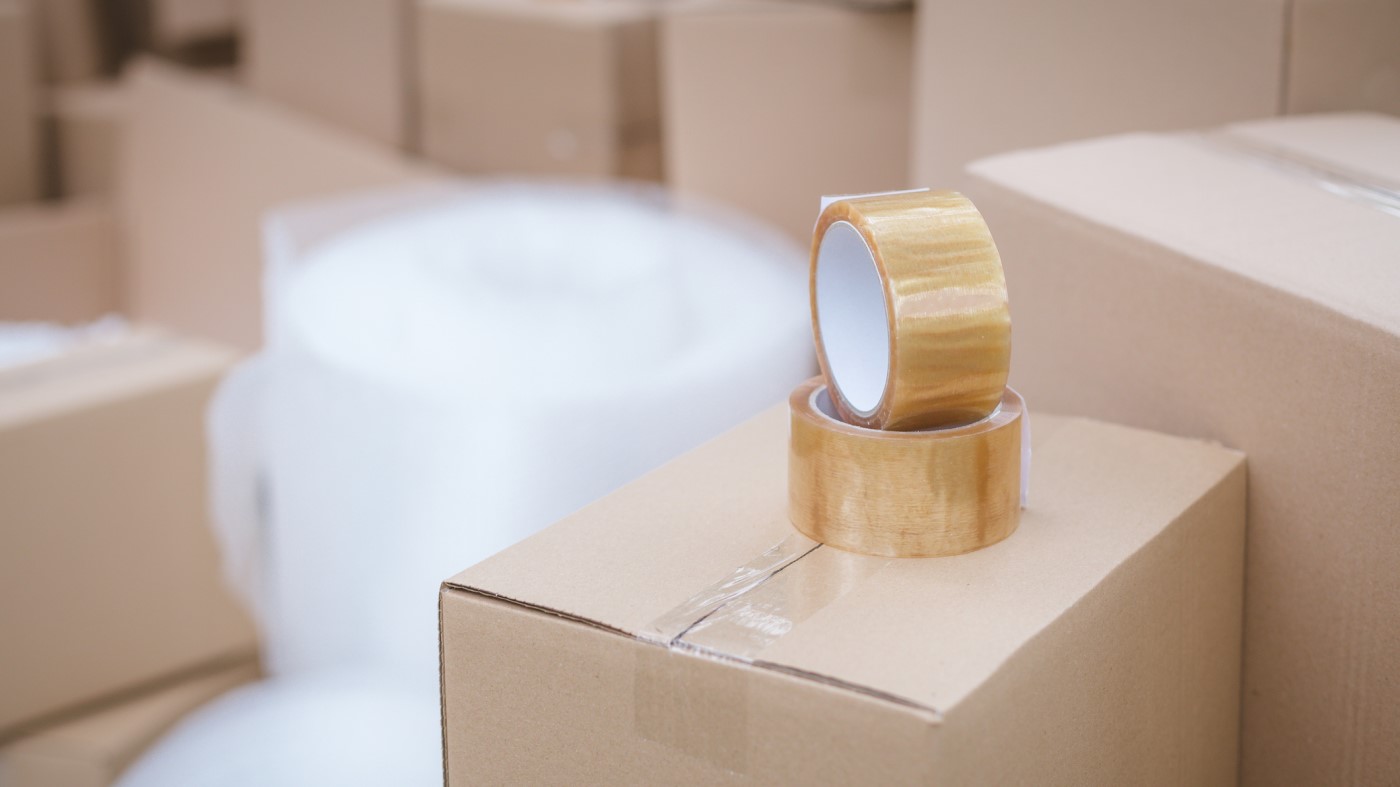

Moving house marks an exciting new chapter — with new rooms to decorate, more space to stretch out in, and local cafés waiting to be discovered. But packing everything up? That’s a harrrrrd pass. From bubble wrap battles to dismantling forts your kids (ahem…hubby) built out of boxes, and trying to keep mugs from breaking during transit, your weekend can become a drawn-out, stressful time.
But it doesn’t have to be. Extra planning and the right packing supplies can turn chaos into calm. That’s where National Storage comes in. We’ve helped families and businesses store their goods from anywhere from a few months to several years between residences or to complement their existing storage.
Speed up your move and stay organised with our go-to list of packing supplies and tips, so you don’t end up with lost items or boxes that never get unpacked.
Why quality moving and packing supplies matter
We’ve all been there — halfway through packing and suddenly you’re out of tape, the boxes are collapsing under pressure, and nothing seems to be labelled. It’s a recipe for disaster. You’ll also not want to rely on boxes picked up from the local fruit shop, which will leave items dirty and have limited storage space.
Investing in moving packing supplies you can trust to go the distance helps avoid these common pitfalls. They often hold more storage, but you’re also less likely to damage items, double-handle tasks, or lose track of what’s inside each box.
And if your move is happening in stages — say you’re downsizing or in between homes, but need frequent access to those items — it’s a good idea to buy packing supplies that are extra sturdy. They’re built to be handled frequently and used again and again without falling apart.
Packing supplies checklist: What you’ll need
Follow our packing supplies list, ensuring you have enough on hand to avoid pausing your workflow and running to your closest home supply store:
Boxes and packing supplies:
Protective packing supplies:
- Bubble wrap
- Packing and tissue paper
- Corrugated cardboard
- Shrink wrap: roll or with a dispenser
- Mattress and sofa protectors
- Furniture blankets or pads
Tools and accessories:
- Permanent markers
- Heavy-duty tape and dispenser
- Scissors or a utility knife
- Zip-lock bags
- Rubber bands and twist ties
How to use house packing supplies effectively
Before you start boxing up your life, it pays to get organised. Having the right materials on hand and using them effectively can mean the difference between a smooth transition and a stressful scramble.
You can never have enough boxes
Until it’s time to move and you’ve pulled everything out of your shelving and drawers, you’ll never know how many things you’ve collected over the years. Don’t hesitate to source more than you think you’ll need — chances are, it will likely be just enough. And if you have extra, they’re fantastic for organising your storage in garages and off-site facilities.
Boxes come in various sizes, so don’t be afraid to use a mix. Whether you’re using them on their own or placing smaller boxes inside larger cartons to keep things organised and protected, it’s best to buy your boxes and packing supplies from the same place. This helps ensure they stack neatly inside or on top of each other, making it easier to maximise your storage inside the box and loading your van, trailer, or car.
The most common box sizes are:
- Small: Compact yet sturdy, it’s great for efficiently managing crockery, glassware, decorative items, and other fragile and precious pieces.
It’s also the best option for anything heavy, like books, which can become too hefty when you pack more than seven tomes. While you may need several boxes and multiple trips to carry extensive collections between your home and moving van, it’s best not to overload them. Heavy boxes can strain your back when lifting them or buckle and break open.
- Medium: A versatile, mid-size box perfect for items like kitchenware, appliances, bathroom accessories, shoes, toys and anything else hiding in your cupboards. Strong enough for regular handling, it’s a solid all-rounder for moving and storage.
- Large: Ideal for light but bulky items like clothing, pillows, bedding, and anything else you can lift without putting stress on your back.
Don’t forget there are boxes specially designed for certain products that help streamline your move. They include:
- Wine boxes with inserts: Designed to securely hold your favourite bottles of red and white during transport or storage, they carefully separate each bottle to minimise the chance of breakage. They’re also convenient for storing stacked tumbler glasses — just use a small square of tissue paper between each glass.
- Port‑a‑Robe (clothes boxes): One of our favourite shipping packing supplies — an integrated steel rail allows you to hang your clothes and keep them wrinkle-free. Simply buy a hanging clothes box for each bedroom, and you can transport an entire wardrobe without refolding garments. Plus, you can use the bottom for shoes.
- Archive boxes: Perfect for holding office files, personal records, and photos — they’re lightweight yet durable, featuring a reinforced base and snug-fitting lid to keep contents dust-free. If you’re hiring a professional moving service, you may want to transport this box yourself if storing confidential documents that need to stay private.
- Picture and mirror boxes: A slim build secures mirrors, artwork and framed family portraits, preventing them from moving inside boxes or being stored loosely in a vehicle, to minimise the chance of damage. It also features a message on the outside reminding movers of its correct positioning during transit..
How many boxes and packing supplies will I need?
Whether you’re packing up a studio apartment, a three-bedroom abode or moving out of the family home for the first time, the number of boxes needed depends on how much stuff you own and how efficiently you pack. As a (very) general rule of thumb:
- 1-2 bedroom home = 20-40 boxes
- 3-4 bedroom home = 40-60 boxes
- Over 5 bedroom home = 60+ boxes
National Storage sells boxes in moving packs and bulk-packs, which makes it cheaper to buy packing supplies per unit. It’s always better to overestimate slightly — you’ll likely use more boxes than expected once you start sorting out drawers, wardrobes, and garage shelves.
Other factors to consider:
- You may need fewer boxes if you are drastically decluttering
- If you’re downsizing, you may need fewer cartons if you are actively selling, donating or disposing of excess items you no longer need
- Large families and long-time residents typically need more boxes
Don’t shy away from other packing materials
Boxes might be the backbone of every move, but don’t overlook the power of flexible, reusable packing options. While a little underrated, they can help you save serious space, especially when packing soft, loose items.
- Moving bags: Durable, zippered moving bags are ideal for transporting soft goods like clothes, pillows, blankets, and kids’ toys. They’re often made from woven heavy-duty fabrics, making them more flexible than cardboard boxes and perfect for squeezing into tight corners in the car or storage unit. Bonus: they’re reusable for future storage or travel.
- Vacuum seal bags: If you’re short on space or packing bulky items, vacuum-sealed bags are your best friend. They’re perfect for compressing bedding, doonas, towels, and seasonal clothing, protecting them from dust, moisture, and pests in transit or storage. Simply fill, seal, vacuum out the air, and stack — saving you up to 80% of the original volume.
Don’t be frugal with bubble wrap and packing supplies
When it comes to moving, not all items are created equal — some need a little extra love and care. That’s where protective packing supplies excel. They safeguard your belongings from knocks, bumps, and scratches during transit or storage. Some key essentials every mover and shaker should have on hand include:
- Bubble wrap: Fun to pop and even better for wrapping everything from delicate glassware, electronics, artwork, and other fragile decorative items. Its soft trapped air bubbles are perfect for adding cushioning to absorb shocks during handling and transport, and filling voids to prevent your items from moving around in boxes.
- Packing and tissue paper: From filling gaps to wrapping crockery, glassware, and other fragile items with packing paper, to using tissue paper between stacked pieces — these materials prevent scratches caused by items rubbing against each other
- Cardboard sheets: Ideal for use as spacers and dividers or to reinforce the sides of boxes. They’re also excellent for wrapping the ends of chair legs or the squared-off edges of sideboards and other cabinets to prevent damage from knocks during transit and handling.
- Shrink wrap and bundling film: Used with a dispenser or on a long roll, they’re excellent for packaging awkward items together, keeping cabinet drawers and doors closed during transport, and preventing scratches to case goods.
- Mattress and sofa protectors: Your soft furnishings need protection too. Mattress bags and sofa covers stop dirt, dust, and moisture from accumulating in their fibres during the move or while in storage.
- Moving blankets: From protecting against dents, scuffs, and scratches to stopping dust from accumulating on surfaces, thick, padded blankets are perfect for wrapping bulky items and furniture pieces. Don’t have a dolly available? They can make a temporary replacement when moving heavy furniture and case goods into place over short distances.
Having the right packing supplies for fragile items provides peace of mind, knowing you’ll arrive at your new place with everything in one piece. Review your packing supplies checklist to make sure you’ve accounted for multiples of each to ensure you don’t fall short and every item gets the protection it deserves.
Tools and accessories that make your move easier
Sure, boxes do the heavy lifting — but it’s the little things that keep your move from falling apart (literally). From sealing boxes like a pro to preventing cords from tangling into a complicated mess, these simple items can make your move neater and far less stressful.
- Permanent markers: Labelling is key to an efficient unpacking process. Use bold, permanent markers to record fragile warnings, the room the items belong to, and a brief list of contents. You might also want to number the sequence — for example, “living room box 1 of 4” — to track all your belongings.
If you’re fastidious about the details, you might even want to create a spreadsheet listing each box, the room it belongs to, and its contents — so you can easily coordinate the unpacking process or locate a specific item when needed.
- Heavy-duty tape and dispenser: Cheap tape can tear, transfer tacky residue or unstick, leaving your boxes vulnerable. Invest in a quality dispenser and extra tape rolls for fast, frustration-free sealing.
- Scissors or utility knife: You’ll need a sharp tool for cutting tape, trimming bubble wrap, or opening boxes at your new home.
- Zip-lock bags: Great for small bits and pieces like screws, bolts, cords, or remote controls. Store them with the items they belong to, and label each bag to avoid mix-ups.
- Rubber bands and twist ties: These small accessories are surprisingly versatile — use them to secure cables, bundle pens or utensils, or keep bagged items tidy.
How off-site storage helps when moving homes
Moving homes doesn’t always go to plan, whether you’re renovating before you can move in, facing settlement delays, prepping your house for sale, or staying in temporary accommodation before your new lease starts. That’s where off-site storage steps in to keep your furniture storage and belongings safe in one place nearby.
At National Storage, you can store your items short or long term, with flexible month-to-month leases to match however long (or little) you need. With storage centres across Australia in metro and regional areas, your valuables are always within reach, enabling you to pick up items to support your lifestyle or to start furnishing your home.
With trailer hire services, driveway storage units and goods lifts, getting in and out of your storage unit couldn’t be easier. Our purpose-designed storage facilities have everything you need, including an onsite Box Shop, so you can pick up moving and packing supplies whenever needed.
Make your next move your easiest one yet
Moving doesn’t have to be a headache. With a little planning, the right tools, and some help from National Storage, you can maintain your excitement of moving into a new home. From durable boxes and protective wrap to essential accessories and expert advice, we have every material and service to make your transition smooth and simple.
Whether you’re packing up a studio apartment or a family home, our Box Shop’s wide range of packing supplies — available both online and in-store — will help you stay organised, protect your belongings, and save time on moving day.
Ready to get started? Buy packing supplies and secure your storage space today with National Storage — your one-stop shop for stress-free moving.


 Storage unit
  Wine storage
  Vehicle storage

