


When winter rolls around, you’ll need to think about storing your boat while it’s in hibernation. Being too relaxed with its care can upset your valuable vessel’s engine and affect the hull’s integrity. Keep your boat in top nick until next summer by following our top 20 boat storage ideas to keep it in pristine condition in and out of the water.

Why smart boating storage ideas start with winterisation
Winterising your boat at home, a marina, or a dedicated boat storage facility is more than showing it a little TLC. It’s one of the most important steps to protect your watercraft during long periods of non-use to ensure your HMAS Freedom of the Seas doesn’t become the next Titanic sequel.
What happens if you skip these steps:
- Freezing damage to the engine or water systems
- Degrade the watertightness and structural integrity of the hull
- Battery drain or corrosion from inactivity
- Moisture buildup, leading to mould and mildew
- UV damage to upholstery or faded paint if stored outdoors
These problems not only affect your boat’s value but can lead to expensive repairs and delays when you’re ready to hit the water again. Whether you own a small tinny or a larger cruiser, winterisation is a preventative step that can save you time, money, and frustration down the track.
Winterising your boat can:
- Protect electrical components and wiring from corrosion
- Maintain the interior and upholstery by preventing moisture, mould and odour buildup
- Ensure a smoother start-up when boating season returns
- Retain resale value, keeping your vessel in prime condition
Cleaning the interiors inside-out
Giving the interior a thorough clean before locking up your vessel for the season is one of the top ideas for boat storage to prevent corrosion, mould, mildew, pests, and lingering odours. A clean boat isn’t just more pleasant when you return — it also protects your furnishings and equipment from long-term damage or needing replacement.
Besides the obvious steps of removing any smelly fishing gear, you’ll want to thoroughly clean the insides first before moving to the exterior to prevent debris from running onto previously cleaned surfaces, forcing you to clean an area a second time.
To clean the inside of the cabin and your boat, you should:
- Remove any portable items, including any belongings that support your fishing and recreation trips and decorative pieces. Wipe them over with a cloth and temporarily keep them outside the boat until you’ve finished cleaning and you’re ready to refurnish your vessel.
- Vacuum over all surfaces, including any controls, shelving and upholstered elements that are fixed in place using the smaller attachments of your vacuum cleaner.
- Scrub hard surfaces with soapy water to remove any dirt and grime.
- Wipe down vinyl or leather with a clean cloth.
- Spray vinyl or leather with protectant to prevent drying or cracking. You can find special boat upholstery spray at your local boating store.
- Wash and dry upholstered items before returning them to their rightful place.
- If your vessel has a kitchen, clean the fridge and cupboards by removing perishable items that will expire and wiping over all surfaces using a mild detergent and cloth.
- If your cabin has a bed, wash and dry sheets, pillowcases and quilts. Also, consider cleaning the mattresses by shaking baking soda over the surface and allowing it to rest for 20 minutes to absorb bacteria and debris before vacuuming it up. Leave the bed unmade until its next use.
Deep cleaning your boat’s interior may seem like a chore now, but it’s one of the smartest boat storage ideas to ensure a quick, clean, and hassle-free return to the water next season. Besides, you only have to do it at the end of the season or after a very messy or multi-day trip.
Clean to protect your vessel’s hull and exterior
Dirt, salt, algae, and UV exposure can damage your boat’s paintwork, fittings, and hull if not properly cleaned and protected. Of all the smart boat storage ideas, this simple step can prevent your boat from becoming a foot bath and save you from costly repairs later on.
Learn how to clean the outside of your boat by following these steps:
- Rinse off saltwater and debris from top to bottom with clean water. A standard hose is fine, but you get extra points for using a pressure washer.
- Use a marine-safe boat cleaner and brush to scrub off any stubborn debris and grime with a soft-bristle brush. Rinse with clean water as you go to avoid streaking. Avoid household detergents, as they can strip protective coatings or harm your boat’s finish.
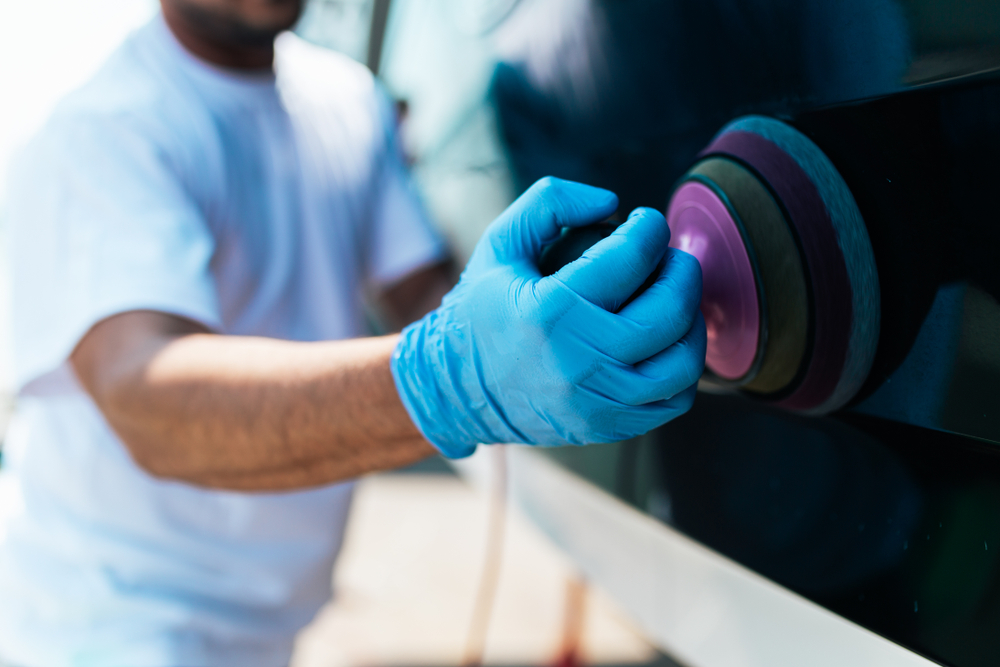
- Buff and wax for that like-new shine we all know and love. Be sure to cover every surface — they’re great for preventing UV damage if you keep your boat outside.
- Don’t forget to hose down and clean your boat trailer. You don’t want to reclean the underside of your boat’s hull again, do you?
- If your boat isn’t overly large, consider wrapping it with a well-fitting boat cover that’s breathable, waterproof, and UV-resistant to protect your freshly cleaned vessel from dust, rain, and sun.
All boats are different, so be sure to check your manufacturer’s guide to make sure you’re using the right cleaning products for your vessel.
Take care of the mechanics
It’s simple: Well-maintained boats last longer. And if you don’t look after the insides when prepping for winter storage, it’ll only cost you time and money in the long run.
A few must-dos include:
- Change the gear oil to keep the engine water-free.
- Remove the battery and store it in a dry place.
- Lubricate all plugs and bulb sockets.
- Use anti-corrosion spray on any unprotected metal parts.
- Fill her up with fuel to prevent moisture from building in the tank. Use a marine fuel stabiliser and run the engine immediately before storage to prevent fuel breakdown and varnish build-up.
Again, every boat is unique, so check your manufacturer’s guide for any other maintenance and storage suggestions. Before you next set sail, check out our top tips for maintaining your boat to ensure a smoother cruise.
How to store a boat
Sure, you could leave your boat in the marina over winter, after all, it’s ready to go at a moment’s notice. But leaving your boat in water for extended periods isn’t a great idea for boat storage — it can lead to serious maintenance issues, costly damage, and faster depreciation.
When a boat sits in water — salt or fresh — it becomes a breeding ground for marine growth like barnacles, algae, and mussels. Over time, these can weaken the hull’s protective coating and increase drag, corrode exterior surfaces, degrade seals, and create the opportunity for water intrusion.
Not to mention, you’re still stuck paying for marina fees.
If you want to protect your boat from damage while not in use, dry boat storage is the ideal way to reduce the risk of corrosion. It helps keep your boat out of the water and out of the weather, protecting it from water damage, the harsh Aussie sun, and potential rain and hail.
Other factors to consider when deciding how and where to store your boat might include security from potential thieves or vandals, and other risk factors such as other vehicles or falling branches. Deciding where to hold your vessel is a great boating storage idea if you prefer to keep your home’s front curb free so you, your family, guests, or neighbours can park a car.
It’s best to play it safe and store your boat somewhere dry and undercover, such as:
- On a rack at your local marina
- On a trailer in your yard or garage
- On a trailer in a storage facility.
At home vs the marina vs dedicated facilities: What’s better?
| Service | Dedicated boat storage facility | At the marina, on racks, or on a boat trailer. | At home on a boat trailer |
|---|---|---|---|
| Security: | Yes, they offer: Restricted access CCTV surveillance On-site guards Other protocols | Mixed, depends on the venue. You cannot install your own security measures outside of trailer locks | No. Owners need to provide a trailer lock and have the ability to install security cameras. |
| Cost | Fees apply Cheaper rates for long-term plans | Fees are charged and may vary depending on: The time of year Length of your plan How central the location is Level of demand | Free |
| Accessibility | Easy access all year Can easily travel to any waterway | Accessible all year Need assistance to access boats stored high on multi-level racks Constrained to that specific waterway without travelling to other areas | Accessible all year Can easily visit any waterway Local councils may restrict how long boats can be stored on the road in front of your home and other areas |
| Covered or uncovered storage: | Choice of covered and uncovered options | Depending on the venue, your allocated storage area may be uncovered, partially, or fully covered | Generally, boats are left uncovered, unless you have land to dedicate to building a covered boat storage space |
Choosing the right storage option depends on how often you use your boat, where you live, and how much effort you want to put into maintenance. If security, protection, and convenience are high priorities, a dedicated storage facility, like National Storage, offers one of the most reliable boat storage ideas.
Affordably safeguard your boat for easy access at National Storage


If you’re keen to keep your precious vessel clean and dry until you need it again, undercover dry boat storage from National Storage is the perfect solution. Take advantage of flexible short- and long-term plans and affordable rates to control your boat storage needs when you need them.
With locations across Australia in metro and regional areas, you can keep your boat, jet ski, canoe, and other vessels nearby, ready to be picked up whenever the open seas start calling your name. Book your boat storage online or call 1300 712 735 for a free quote to winterise your watercraft.
Psst… You should follow these steps to store your boat at any time of year (not just winter).


 Storage unit
  Wine storage
  Vehicle storage

